




The inner corners of the eyes can influence how the eyes appear in relation to surrounding facial features. The shape of the epicanthal fold contributes to the appearance of this area and can be modified through epicanthoplasty.
Although the procedure focuses on a relatively small area, the resulting change may influence the visible shape and proportions of the eyes. Understanding these potential effects, as well as how they vary between individuals, can help you develop realistic expectations when considering epicanthoplasty.
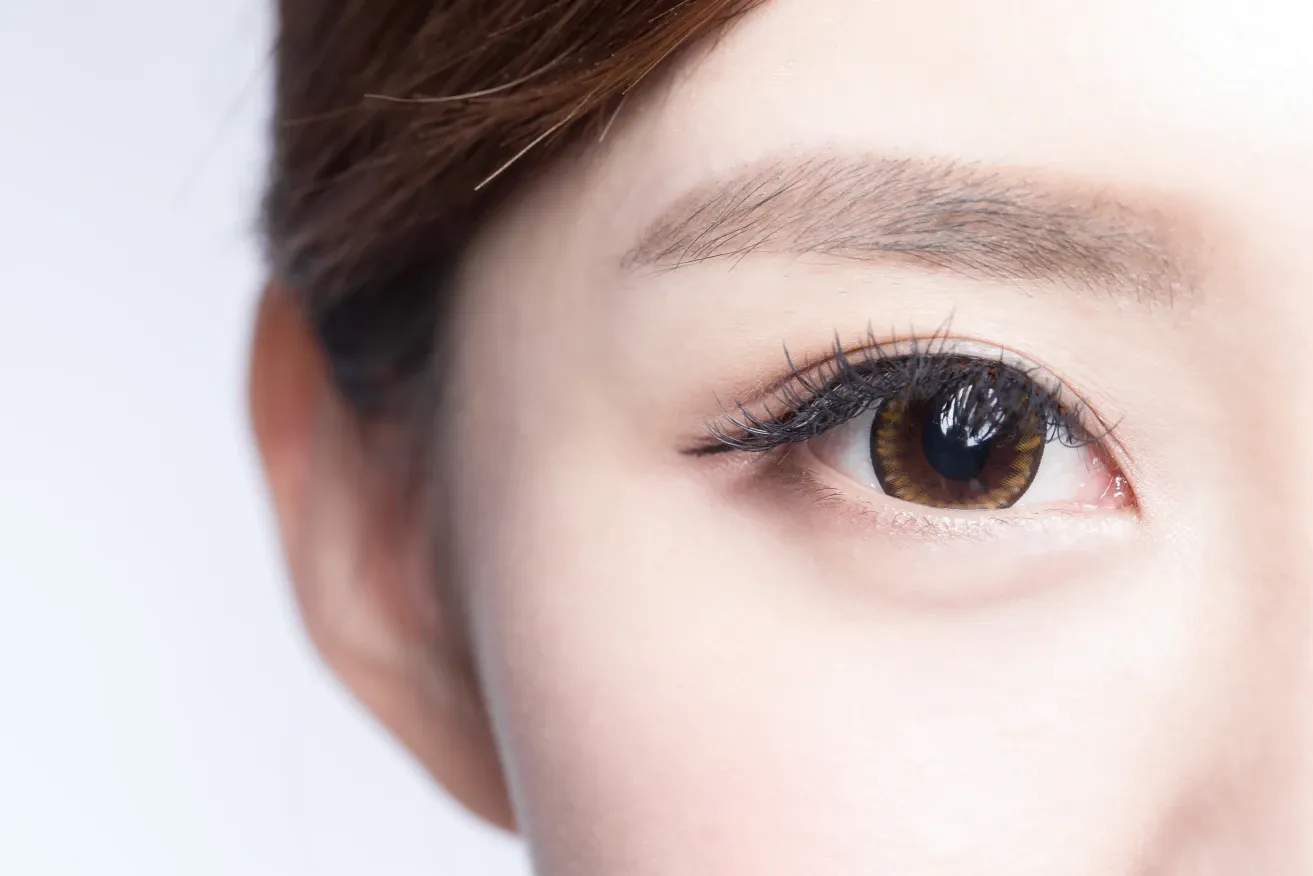
What Aesthetic Changes Can Epicanthoplasty Create?
Epicanthoplasty changes the appearance of the inner eye corner by modifying the epicanthal fold, which is the fold of skin that partly covers this area in some people. The degree of change depends on the existing fold and how much modification is appropriate for the individual.
Greater Visibility and Definition of the Inner Eye Corner
The epicanthal fold can cover the inner eye corner to varying degrees. By reducing or repositioning this fold, epicanthoplasty may expose more of the inner corner and alter its visible contour. This can make the point where the upper and lower eyelids meet appear more defined, with the resulting appearance influenced by the existing fold and surrounding anatomy.
Change in the Apparent Horizontal Length of the Eye
Revealing more of the inner eye corner may make the visible eye opening appear longer horizontally. This is a visual change in the exposed eye area rather than an increase in the actual size of the eye, and its extent depends on the existing eye shape and amount of modification.
How Can Changes to the Inner Eye Corner Affect Overall Eye Appearance?
Although epicanthoplasty directly modifies the inner eye corner, the visual effect may extend beyond this small area. Changes to its visibility and contour can influence how the eyes appear in terms of spacing, proportions and their relationship with surrounding facial features.
Perceived Spacing Between the Eyes
Revealing more of the inner eye corners may make the visible distance between the eyes appear different. Epicanthoplasty does not physically move the eyes or change their position within the eye sockets; any perceived change in spacing results from altering where the visible inner boundaries of the eyes begin.
Overall Eye Proportions
Changing the visible inner boundary may influence how the horizontal length of the eyes appears in relation to their height and surrounding eyelid contours. The overall effect depends on the patient's existing eye shape, which means a similar change at the inner corner may appear different between individuals.
Relationship with the Eyelid Shape
The inner corner forms part of the overall eyelid contour, so modifying it may change how the eye shape is perceived as a whole. However, epicanthoplasty does not directly alter features such as the upper-eyelid crease or eyelid position, which involve different structures and may require separate procedures.
Balance with Surrounding Facial Features
The eyes are viewed in relation to nearby features such as the nose, brows and overall facial proportions. As a result, a change at the inner eye corner may appear more or less noticeable depending on the individual's existing features, rather than producing the same aesthetic effect in every patient.

What Other Factors Influence the Outcome of Epicanthoplasty?
The appearance after epicanthoplasty varies between patients because the outcome is influenced by both the anatomy present before surgery and how the area responds afterwards. These factors affect the type, extent and visibility of the change that may be achieved.
Existing Shape of the Epicanthal Fold
Epicanthal folds vary in shape, prominence and how much of the inner eye corner they cover. These characteristics provide the starting point for surgery and influence how much the inner corner may be exposed or reshaped, so the same procedure may produce different visual changes between patients.
Individual Eye and Eyelid Anatomy
Eye shape, eyelid contours and the surrounding structures differ between individuals and influence how changes to the inner corner appear in relation to the rest of the eye. Results therefore need to be considered in the context of a patient's existing anatomy rather than compared with a standard eye shape.
Extent of the Planned Change
The amount of modification required depends on the existing epicanthal fold and the intended aesthetic change. More extensive modification does not necessarily produce a more suitable outcome, so the surgical plan should consider how the proposed change relates to the patient's existing eye and facial proportions.
Healing and Scar Formation
Swelling and healing can temporarily affect the appearance of the inner eye corner after surgery, while scars may continue to mature over time. The way tissues heal and scars develop varies between individuals, meaning the final appearance cannot be assessed immediately after the procedure.
A consultation with a qualified plastic surgeon allows your inner eye corners, eyelids and surrounding features to be assessed together. This can help establish what changes may be realistically achievable through epicanthoplasty and whether the expected aesthetic effect aligns with your goals.
Get Personalised Guidance on Epicanthoplasty at SW1 Plastic Surgery
A change to the inner eye corner may be relatively subtle, yet its overall appearance depends on your individual features and aesthetic goals. A personalised consultation provides an opportunity to understand what epicanthoplasty may realistically achieve and whether it may be appropriate for you.
At SW1 Plastic Surgery in Singapore, patients can discuss their concerns and treatment goals with plastic surgeons Dr Tan Ying Chien and Dr Wu Yijun. The consultation provides an opportunity to discuss the procedure, potential outcomes and limitations, as well as the treatment options that may be appropriate for your individual needs. Schedule a consultation to learn more about your options.
FAQs About the Aesthetic Effects of Epicanthoplasty
No. Epicanthoplasty modifies the epicanthal fold at the inner eye corner, while a double eyelid crease involves a different part of the upper eyelid. A separate procedure is generally required if crease formation is being considered.
Yes. Modifying the epicanthal fold may expose more of the pink tissue at the inner eye corner, including the lacrimal caruncle. This does not mean the tear duct itself is being enlarged or altered, and the degree of visibility depends on individual anatomy and the extent of modification.
No. Epicanthoplasty focuses on the inner eye corners and does not directly alter the outer corners. Changes to other areas of the eyelids involve different anatomical structures and surgical approaches.
Potentially. Changes to the contour of the inner eye corner may also be noticeable when smiling or making other facial expressions. However, epicanthoplasty does not directly alter facial movement, and any visible difference depends on individual anatomy and the surgical changes made.