



Plastic surgery can create long-lasting changes, but no result exists in isolation from the body. Ageing continues, weight may fluctuate, skin and tissues change, and lifestyle habits can influence how your results look years after surgery.
This means the longevity of your results depends on more than the procedure itself. Your age, skin quality, general health, lifestyle and the type of surgery performed can all play a part in how your results evolve over time. Understanding these factors can give you a clearer idea of what “long-lasting” may mean for you and what you can do to help maintain your results.
How Does Your Anatomy Affect How Long Plastic Surgery Results Last?
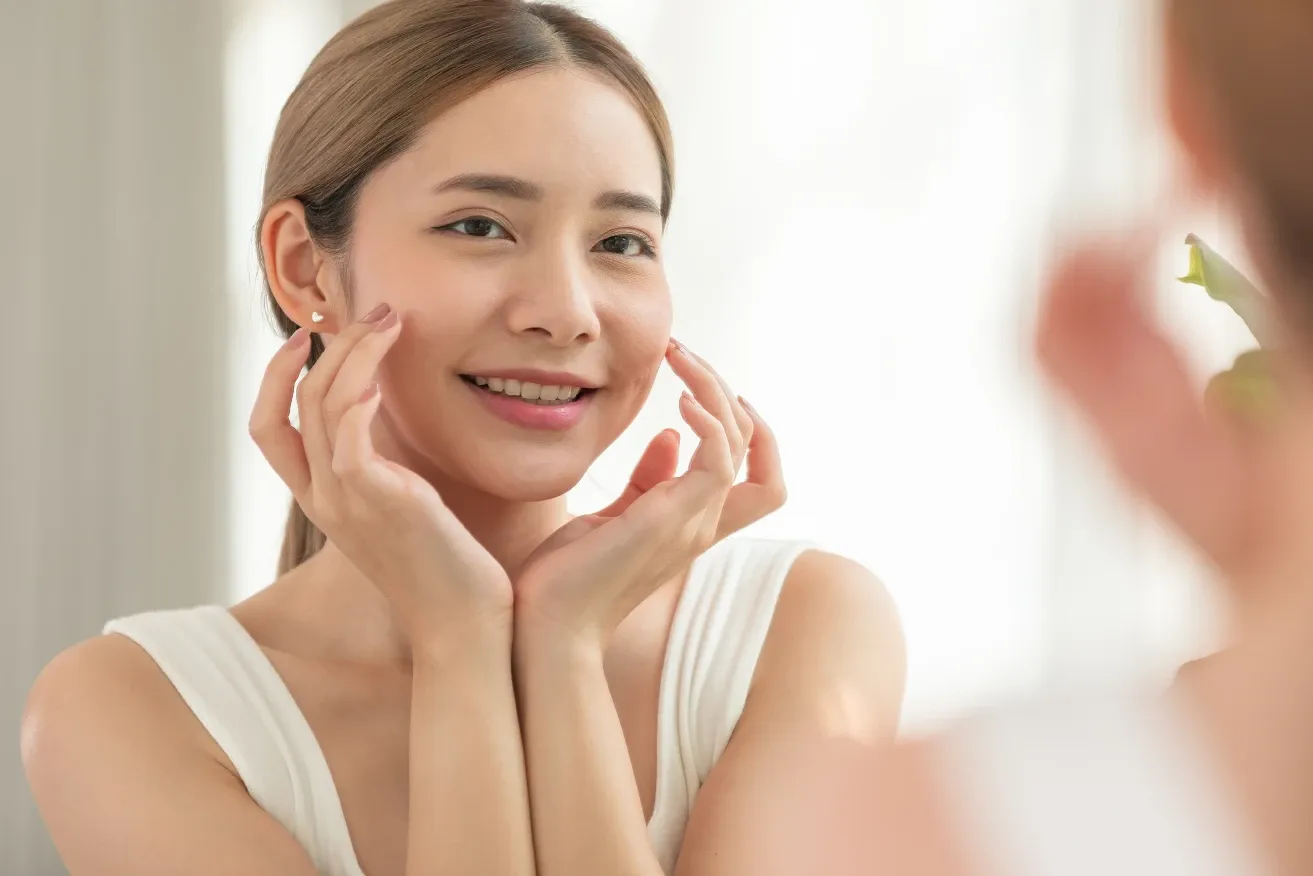
Plastic surgery is planned around your individual anatomy rather than a standard set of features or proportions. Differences in the skin, soft tissues and underlying structures can influence both the surgical approach and how results may change over time.
Skin Quality and Elasticity
Skin varies in thickness, firmness and elasticity between individuals and across different areas of the body. These characteristics can influence how the skin adapts to changes in the underlying tissues and how it continues to change with age.
Soft-Tissue Characteristics
The amount, distribution and quality of fat, muscle and other soft tissues vary between patients. These differences help shape facial and body contours and can influence how tissues respond to surgery, as well as how the treated area may change over time.
Underlying Anatomy
Bone structure, cartilage and other supporting tissues help determine your natural proportions and provide support for the surrounding tissues. A plastic surgeon considers these underlying structures when planning the procedure and determining what changes may be appropriate for your individual anatomy.
Type of Procedure
Different procedures alter different tissues and structures, which can influence how their results change over time. A rhinoplasty reshapes structures of the nose, for example, while an abdominoplasty (tummy tuck) addresses excess abdominal skin and may involve repair of separated abdominal muscles. Breast and facial procedures have their own anatomical considerations.
For this reason, there is no single timeframe for how long plastic surgery results last. Expected longevity depends on the procedure, the tissues involved and the patient's individual characteristics.
How Does Ageing Affect Plastic Surgery Results Over Time?
Plastic surgery can change specific features or tissues, but it does not stop the natural ageing process. The face and body continue to change after surgery, which means the appearance of a treated area may gradually evolve.
Changes in Skin Quality
With age, skin can gradually become thinner and less elastic as its structure changes. This can affect firmness and contribute to increasing laxity, which may gradually alter the appearance of areas that have previously undergone surgery.
Changes in Fat and Soft Tissue
The amount and distribution of facial and body fat can change with age, while other soft tissues may also shift over time. These changes can affect volume and contours, gradually influencing the appearance of a previously treated area.
Changes in Underlying Structures
Ageing can also involve gradual changes in muscle, bone and other supporting structures beneath the skin. These changes may affect facial proportions and tissue support, influencing how a surgically treated area appears over time.
Age at the Time of Surgery
Age can be one consideration when discussing expected longevity, but chronological age alone does not determine how long results may last. Skin quality, anatomy, the procedure performed and individual patterns of ageing also play a role.
The important distinction is that continued ageing does not necessarily mean the original surgical result has been reversed. The changes created through surgery may remain while the surrounding tissues continue to age.
Which Lifestyle and Body Changes Can Affect Plastic Surgery Results?
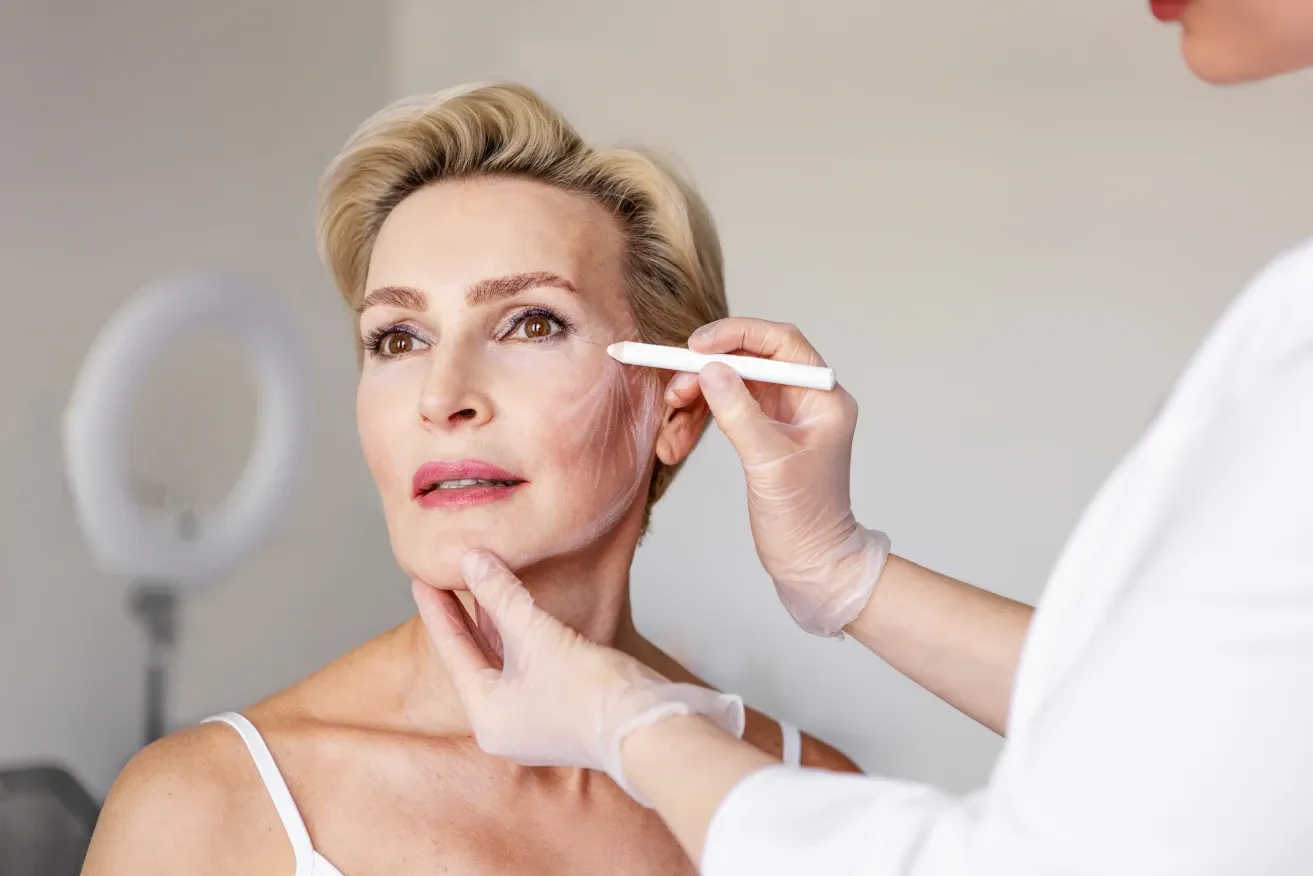
Changes that occur after surgery may influence how some results look over time, although not every factor affects every procedure in the same way. Their significance depends on the surgery performed, the tissues involved and your individual circumstances.
Significant Weight Changes
Weight gain or loss can change the amount and distribution of fat as well as the way skin sits over the underlying tissues. This may be particularly relevant to procedures involving the abdomen, breasts and other areas where body contours can change with weight.
Pregnancy
Pregnancy can lead to changes in the abdominal muscles, skin, breasts and overall body contours. As a result, it may alter the appearance of areas previously treated with breast or body-contouring surgery.
Smoking
Smoking can affect circulation and tissue health and is particularly relevant to healing around the time of surgery. Longer-term smoking can also contribute to changes in skin quality.
Cumulative Sun Exposure
Ultraviolet exposure contributes to changes in skin texture, pigmentation and elasticity over time. These changes can continue to affect exposed areas of the skin regardless of whether they have undergone surgery.
Getting practical guidance from your plastic surgeon on maintaining your results after plastic surgery can help you understand the steps that may support your results over time.
Understand the Longevity of Your Results with SW1 Plastic Surgery
Understanding what can influence plastic surgery results over time can help you approach treatment with clearer, more realistic expectations. Your anatomy, natural ageing and lifestyle can all play a role in how your results may change in the years after surgery.
At SW1 Plastic Surgery in Singapore, patients can discuss their goals and longer-term expectations based on the procedure they are considering. Dr Tan Ying Chien and Dr Wu Yijun provide personalised care based on each patient’s individual needs and treatment goals. If you are considering plastic surgery, schedule a consultation to better understand your options and make an informed decision about your treatment.
FAQs About the Longevity of Plastic Surgery Results
Not necessarily. The changes created during surgery may remain even as the treated area continues to age. However, changes in the skin, soft tissues, body weight and underlying structures can alter how the result looks over time. How noticeable these changes become depends on the procedure and your individual circumstances.
Revision surgery may be an option in some cases, depending on the original procedure, the changes that have occurred and the condition of the surrounding tissues. A plastic surgeon can assess the area and discuss whether further treatment is appropriate.
Yes, an injury to a previously treated area may affect the tissues or structures altered during surgery. The extent of any change depends on the location and severity of the injury as well as the procedure performed. Medical assessment may be appropriate if you notice changes following an injury.