




For many working professionals in Singapore, eye bags are more than just a minor annoyance—they can feel like an unshakable sign of fatigue. You may wake up after a full night's sleep, look in the mirror and still see puffiness or sagging under your eyes. Over time, this can affect your confidence at work and in social situations. While non-invasive treatments can offer temporary improvement, surgery may be the most effective way to restore a refreshed, long-lasting appearance. Continue reading as we explore the causes of eye bags, when surgery may be the right choice and how it compares to other treatments.
What Causes Eye Bags to Appear or Worsen Over Time?
Eye bags usually develop due to a combination of factors rather than a single cause. Natural ageing changes, genetics and lifestyle all play a role.
Common causes include:
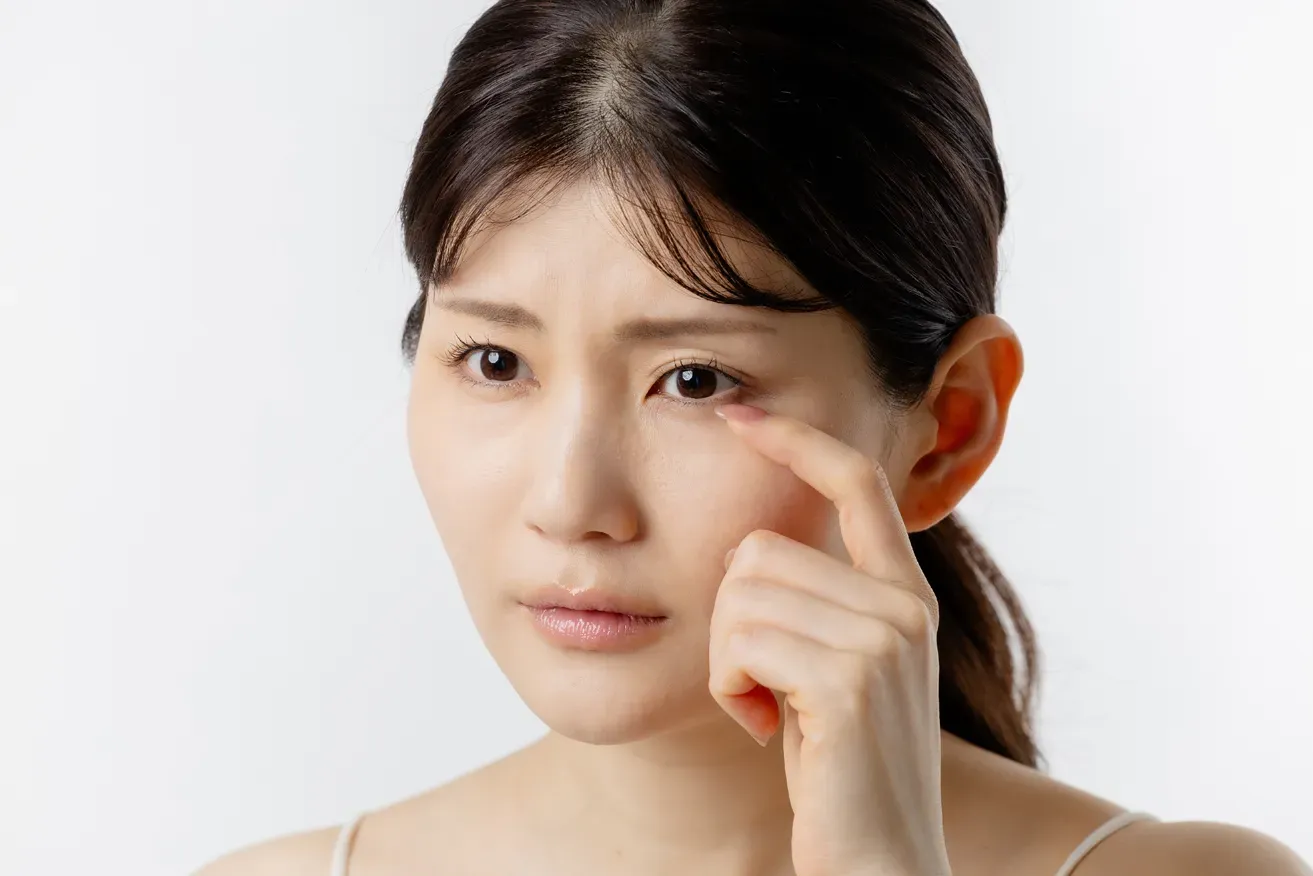

Natural Ageing and Fat Herniation
The eye is cushioned by protective fat pads held in place by the orbital septum, a thin membrane. With age, this membrane loses tension, and mid-face support begins to descend, allowing the fat to protrude and create the classic "baggy" look.
Genetics and Skin Structure
Some people inherit weaker lower eyelid support or deeper tear troughs, which can make eye bags appear early, even in the teenage years.
Fluid Retention and Lifestyle Factors
High-sodium diets, alcohol intake and irregular sleep patterns can cause the body to retain fluid. This fluid often collects under the eyes, where the skin is thinnest, leading to visible puffiness.
Allergies or Sinus Issues
Chronic inflammation from allergies or sinus congestion can cause "allergic shiners" and persistent swelling. Over time, repeated stretching of the delicate skin can lead to permanent laxity.
When Eye Bag Surgery May Be the Right Option
Most patients begin their journey by exploring non-surgical interventions such as medical-grade eye creams, cooling masks or dermal fillers. While these are excellent for maintenance, they cannot address the physical displacement of fat. Plastic surgery for eye bags becomes the next option when these approaches no longer give satisfactory results.
Consider surgical correction if you notice the following:
- Diminishing Results From Fillers: Tear-trough fillers may need more frequent top-ups or may accentuate puffiness, indicating structural fat is the underlying cause.
- Persistent Puffiness: Eye bags that remain visible despite sleep and hydration suggest protruding fat pads rather than fluid accumulation.
- Structural Shadowing: Deep grooves between the lower eyelid and cheek cast shadows that topical products cannot smooth.
- Makeup No Longer Conceals the Issue: When concealer settles into creases rather than masking volume, this often points to a structural concern.
- Impact on Confidence: If eye bags make you look older or more tired than you feel, surgery can restore a more balanced, refreshed appearance.
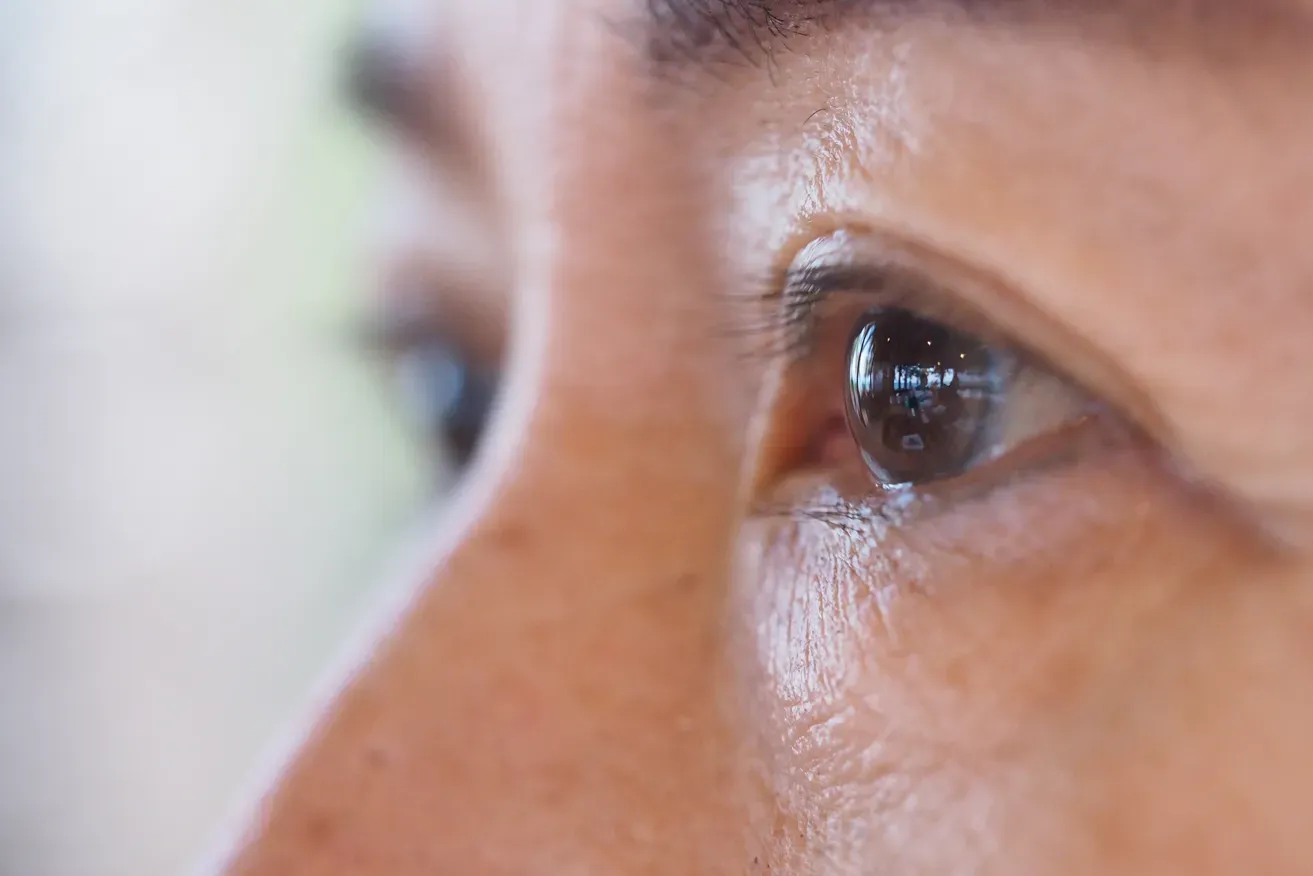
When Is the Right Age for Eye Bag Surgery?
There is no strict age requirement for lower blepharoplasty. The decision should be based on clinical presentation and individual anatomy.
Younger Patients (20s–30s)
Those with early-onset bags due to genetics often benefit from a scarless transconjunctival blepharoplasty, which removes or repositions fat through a tiny incision inside the eyelid, leaving no visible mark.
Middle-Aged Patients (40s–50s)
This group often faces a combination of fat herniation and early skin laxity. Surgery focuses on smoothing the transition from eyelid to cheek for a natural contour.
Older Patients (60s and Above)
Patients in later years may have significant excess skin or festoons. Surgery may involve an external incision just below the lash line to remove redundant skin and tighten underlying muscle.
How Eye Bag Surgery Differs from Temporary Treatments
The key difference between surgical and non-surgical treatments lies in how they address the underlying cause of eye bags. Non-surgical options mainly camouflage surface changes, while surgery corrects the structural issues responsible for persistent puffiness.
Addressing the Root Cause
Dermal fillers work by adding volume to the tear trough to soften shadows. In some cases, however, this can create a heavier or swollen look if protruding fat is the true cause. Surgical treatment removes or repositions excess fat, restoring a smoother and more proportionate contour.
Depth of Correction
Laser treatments, chemical peels and topical products can enhance skin texture and reduce pigmentation. However, they do not reach the deeper orbital fat pads that cause true eye bags. Surgery directly targets these underlying structures, allowing for more definitive correction.
Long-Term Outcomes
Although surgery involves a higher upfront investment, results are typically long lasting. Non-surgical treatments often require repeated sessions to maintain improvement, which can accumulate in cost over time without fully resolving the issue.
Double Eyelid Surgery at SW1 Plastic Surgery
Surgical correction is designed to address the structural causes of persistent under-eye puffiness, rather than temporarily concealing them. The aim is not to change how you look, but to restore balance and create a refreshed appearance that remains in harmony with your natural features.
If you are exploring eye bag surgery, a consultation is the most reliable way to understand your options. Speak with our team to receive personalised advice, discuss recovery expectations and make a well-informed decision with confidence.